New Delhi: India’s southwest monsoon has officially ended, leaving behind a sharply uneven rainfall pattern and concerns over water availability. Between June and September, the country received around 759.4 mm of rainfall, compared with the normal 868.6 mm, marking a deficit of about 12.6%. The India Meteorological Department said this was the fourth-lowest monsoon rainfall since 2001.
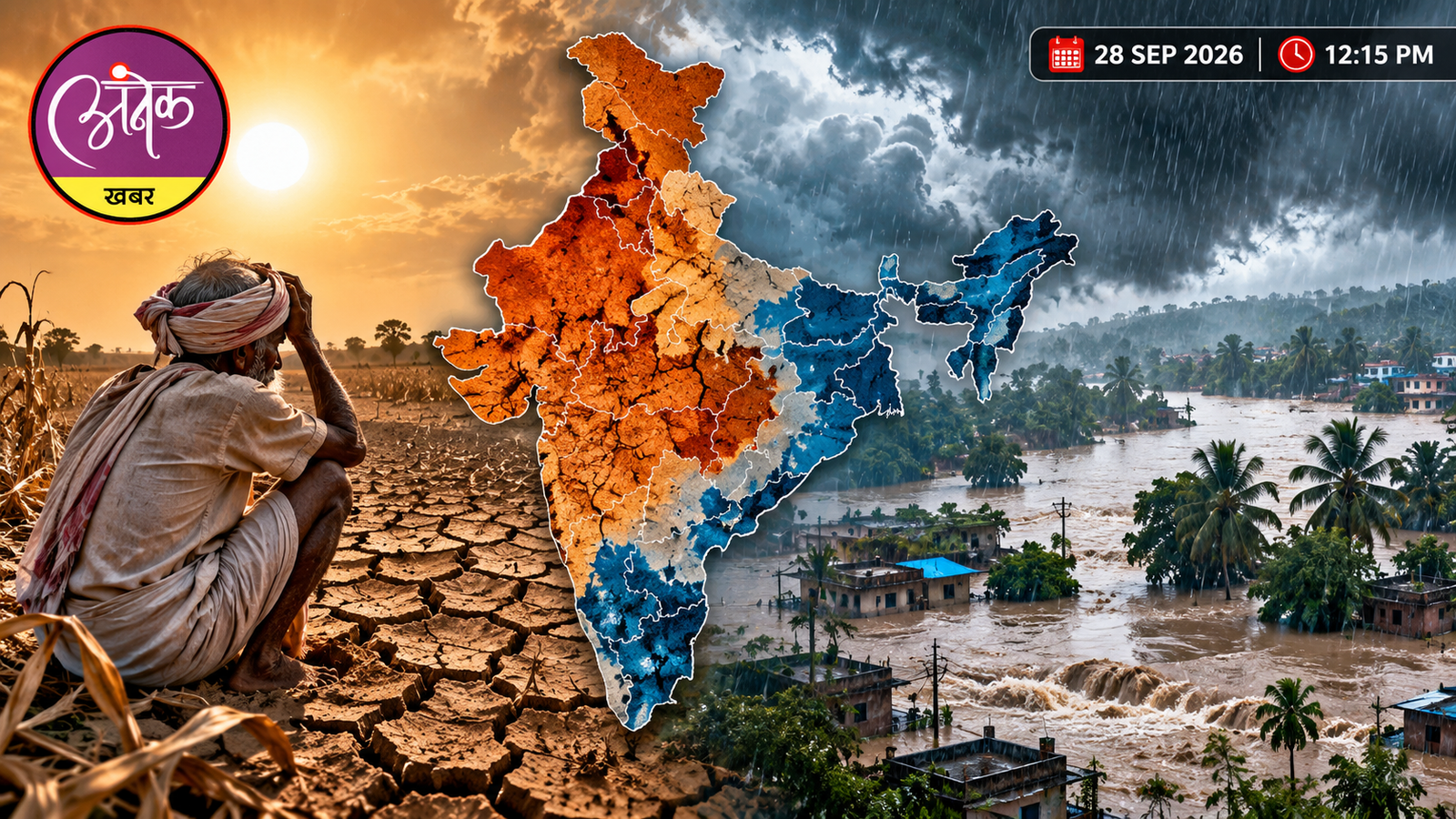
The bigger concern was not just the overall deficit but the uneven distribution of rain. Reports indicated that around 51% of the country experienced drought-like conditions, while some areas received exceptionally high rainfall. By the end of September, IMD data showed that 17 meteorological subdivisions, covering 42% of India’s geographical area, recorded deficient rainfall.
The rainfall shortage could affect agriculture, reservoirs and rural economic activity. As of September 24, reservoirs in southern India held only about 50% of their live storage capacity, compared with around 79% nationally.
The IMD has also forecast below-normal rainfall across much of India during October. This could put additional pressure on water availability, irrigation and the upcoming rabi crop season in several regions.